Small claims court provides individuals with a streamlined process to resolve minor legal disputes without the complexities of a standard court setting. Often, these courts handle cases involving limited monetary amounts, making them accessible for everyday legal issues. While it's possible to represent oneself in small claims court, enlisting the help of a lawyer can significantly enhance your chances of a favorable outcome.
This guide delves into the function of a lawyer in small claims court, the benefits of hiring one, and essential considerations you should keep in mind.
What is Small Claims Court?
Small claims court is a specialized legal forum designed to expedite the resolution of disputes involving relatively low amounts of money. Each jurisdiction defines the monetary limit, which typically ranges from a few thousand to several thousand dollars. These courts are intended for individuals pursuing claims such as unpaid debts, property damage, or breach of contract.
The procedures in small claims court are generally more informal than higher courts. There are no juries, and judges typically focus on the facts of the case to deliver quick verdicts. This accessibility allows many individuals to resolve disputes without the need for extensive legal representation.
Why Hire a Lawyer for Small Claims Court?
1. Expertise and Experience: Lawyers bring valuable experience and knowledge of legal procedures, which can be beneficial in navigating the court system. They understand the nuances of the law and can identify potential pitfalls that a layperson might overlook.
2. Case Evaluation: A lawyer can help assess the strengths and weaknesses of your case, providing you with a realistic expectation of the outcome. They can advise whether to settle or proceed to court based on their analysis.
3. Effective Argumentation: Crafting a persuasive argument is crucial in small claims court. A lawyer can help frame your case compellingly, ensuring that all relevant facts and evidence are presented effectively.
4. Negotiation Skills: Many disputes can be settled out of court, and lawyers are skilled negotiators. They can liaise with the opposing party to reach a settlement that works for both sides, often saving time and costs associated with court appearances.
5. Representation: If your case goes to court, having a lawyer represent you can significantly improve your chances of success. They can handle all aspects of the presentation, including witness examination and legal arguments.
Considerations When Hiring a Lawyer
While hiring a lawyer can be advantageous, there are some factors to consider before making your decision:
- Cost: Lawyers may charge hourly rates or flat fees. Understand the fee structure upfront and consider whether the cost is justifiable based on the potential outcome of your case.
- Experience in Small Claims: Not all lawyers specialize in small claims court. Seek out an attorney with specific experience in handling small claims, as they will be more familiar with the nuances of this particular legal environment.
- Local Knowledge: Local laws and procedures can vary significantly, so it’s beneficial to hire a lawyer who practices within your jurisdiction. They will have a clearer understanding of local judges and court preferences.
- Communication Skills: Ensure that the lawyer communicates clearly and promptly. Effective communication is essential for keeping you informed and comfortable throughout the legal process.
Steps to Take Before Your Hearing
Prepping for your small claims court hearing is crucial. Here are steps you should take:
- Gather Evidence: Collect all relevant documents such as contracts, receipts, photographs, and any correspondence that supports your claim.
- Organize Witnesses: If applicable, identify and prepare witnesses who can testify on your behalf. Ensure they understand their role and the importance of their testimony.
- Practice Your Presentation: If you’re representing yourself or if your lawyer will be allowing you to speak, practice articulating your case clearly and concisely.
- Understand Court Etiquette: Familiarize yourself with the court’s rules and etiquette. Dress appropriately and be respectful to all court personnel.
What to Expect During the Hearing
During the small claims court hearing, both parties have the opportunity to present their cases. The process typically involves:
- Opening Statements: Both parties are given a chance to outline their cases briefly.
- Presentation of Evidence: Each party presents their evidence and calls witnesses if necessary. The judge will listen attentively, asking questions for clarification when needed.
- Closing Arguments: After all evidence has been presented, both parties may offer closing statements summarizing their cases.
- Judgment: The judge will make a ruling based on the presented facts and legal standards. In many cases, the judgment will be delivered on the same day.
Potential Outcomes and Next Steps
The judgment in small claims court can result in various outcomes:
- In Favor of the Plaintiff: If the judge rules in favor of the plaintiff (the party bringing the claim), the defendant will typically be required to pay damages or fulfill the terms stated in the judgment.
- In Favor of the Defendant: If the judgment favors the defendant, the plaintiff’s claim will be dismissed.
- Appeals: In some jurisdictions, a party may be able to appeal the decision if there is a belief that legal errors occurred during the trial.
Regardless of the outcome, it is essential to reflect on the process and consider any next steps, especially if you aim to appeal or settle the issue outside of court.
Conclusion
Engaging a lawyer for small claims court can provide significant advantages, from expert evaluation of your case to skilled representation during hearings. With the right preparation and legal support, individuals can navigate the small claims process more effectively, increasing their likelihood of achieving a satisfactory resolution. Understanding the intricacies of small claims court empowers individuals to take informed steps toward resolving their legal disputes.
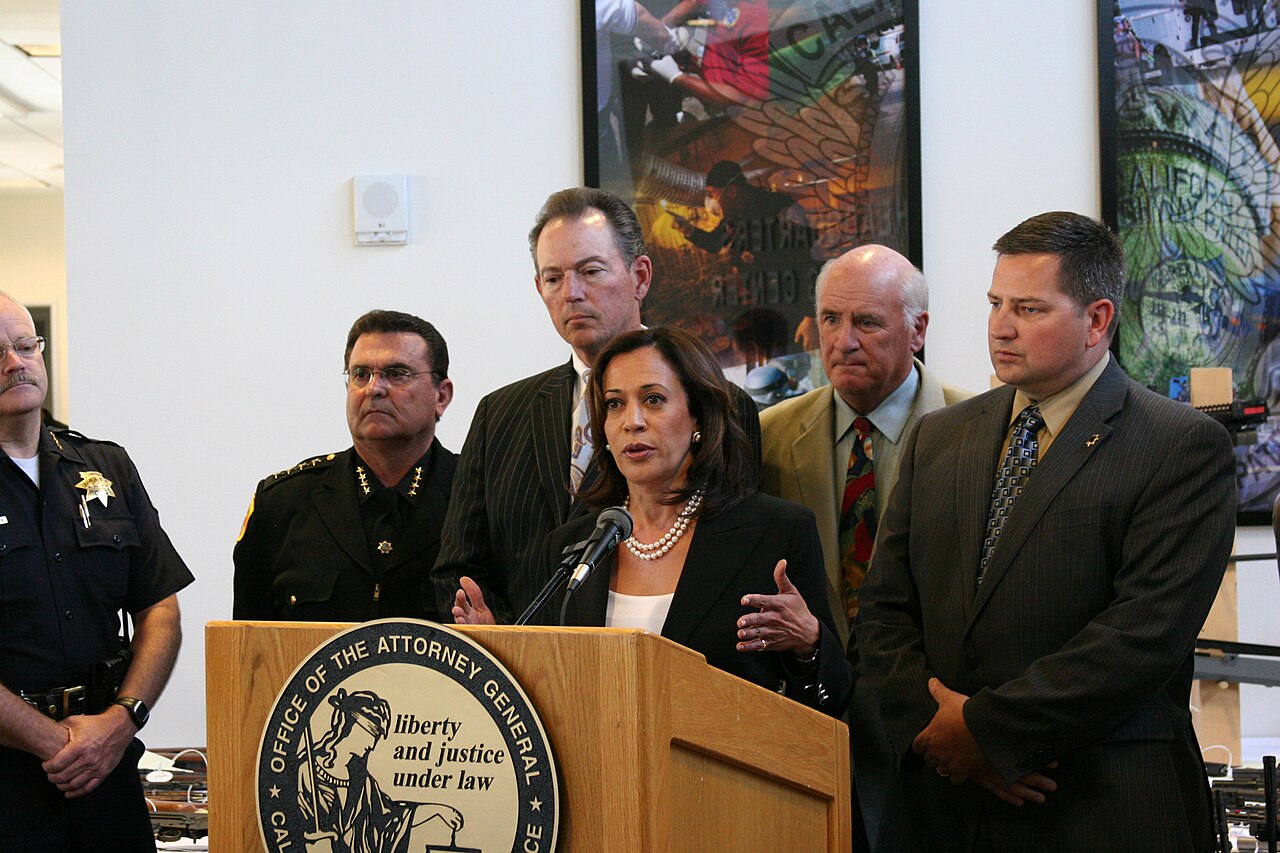
Illustration photo: Ebiebi2 / Wikimedia Commons (CC BY-SA 4.0)