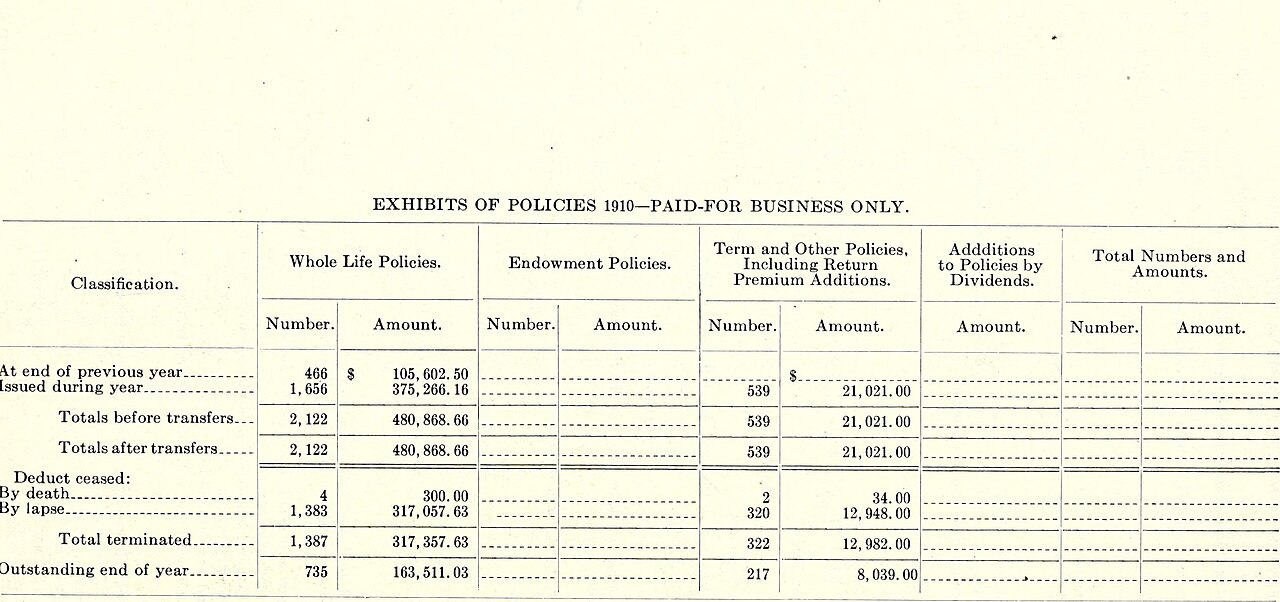
The role of an insurance agent is pivotal in the financial services sector, serving as intermediaries between insurance providers and clients. Insurance agents help individuals and businesses navigate the complexities of insurance policies, ensuring they select the appropriate coverage to meet their needs. Given the nature of the job, many potential agents are curious about the salary associated with this profession. This article delves into the landscape of insurance agent salaries, examining the numerous factors that influence earnings.
What is an Insurance Agent?
Insurance agents are professionals who sell insurance policies on behalf of one or multiple insurance companies. Their primary duties include assessing clients' insurance needs, explaining policy details, and helping clients file claims. Insurance agents can either work as captive agents, representing a single insurance company, or as independent agents, selling policies from various providers. The flexibility in their roles can also lead to variations in salary.
Factors Influencing Insurance Agent Salaries
Several key factors influence the salary of insurance agents, which include:
1. Experience Level
Experience plays a significant role in determining an insurance agent's salary. Generally, entry-level agents earn less than their more seasoned counterparts. As agents gain experience and build a robust client base, their income potential increases significantly. Leadership positions or specialized roles, such as underwriting or claims adjusting, can further enhance earning potential.
2. Geographic Location
The location in which an insurance agent works can also significantly impact their salary. Agents in urban areas or regions with a higher cost of living often earn more than those in rural or less populated areas. Additionally, regional demand for insurance products and local economic conditions can also influence salary levels.
3. Type of Insurance Sold
Insurance agents may sell various types of insurance, including life, health, auto, or property insurance. The commission structure for different insurance products can vary. For instance, life insurance policies often yield higher commissions compared to auto insurance. Agents focusing on niche markets may have the potential to earn higher salaries due to specialized knowledge and less competition.
4. Sales Performance
Sales performance is a crucial determinant of an insurance agent's salary. Many agents receive a base salary supplemented by commission based on the number of policies sold. High-performing agents who consistently meet or exceed sales targets can significantly boost their earnings through commissions and bonuses, fostering a rewarding income structure.
5. Company Structure and Benefits
The insurance company an agent works for can influence salary levels. Larger, well-established firms often provide more competitive salaries and benefits packages, including health insurance, retirement plans, and bonuses. Additionally, agents working under a captive agency may have different compensation structures compared to those in independent practices.
Typical Salary Ranges
While specific salary figures can vary widely based on the factors mentioned, it's essential to understand the general salary ranges for insurance agents. Entry-level agents may earn a modest salary, often supplemented by commissions, while experienced agents can significantly increase their earnings. Specialized agents tend to enjoy higher salaries due to their expertise in particular markets.
Skills That Enhance Earning Potential
To maximize salary potential, aspiring insurance agents should focus on developing specific skills that are valuable in the industry. These skills include:
- Communication Skills: Effective communication is crucial for explaining complex insurance products and building client relationships.
- Negotiation Skills: Strong negotiation skills can help agents secure better deals for their clients and improve their sales performance.
- Analytical Skills: Agents who can analyze risk and market trends are often more successful in recommending policies that align with client needs.
- Networking Abilities: Building a solid professional network can lead to referrals and new business opportunities, further enhancing earning potential.
Education and Licensing Requirements
Most states require insurance agents to obtain a license, which involves passing an exam and fulfilling continuing education requirements. While a college degree is not always necessary, having a background in finance, business, or a related field can be beneficial and may provide a competitive edge in the job market. Moreover, pursuing professional certifications can further enhance credibility and earning potential.
Future Trends in the Insurance Industry
The insurance industry is continually evolving, influenced by technological advancements, regulatory changes, and shifts in consumer behavior. Agents who stay informed about industry trends, such as the rise of digital insurance platforms and the growing demand for personalized insurance solutions, can better position themselves for success. Adapting to these changes and leveraging technology for client interactions can lead to improved efficiency and increased earnings.
Conclusion
Understanding the factors that influence insurance agent salaries is vital for anyone considering a career in this field. By recognizing the impact of experience, geographic location, type of insurance sold, and personal performance, aspiring agents can set realistic salary expectations and work towards maximizing their earning potential. As the industry evolves, continuing education and adaptability will remain crucial for career advancement and financial success.
Illustration photo: Reynolds & Proctor / Wikimedia Commons (Public domain)