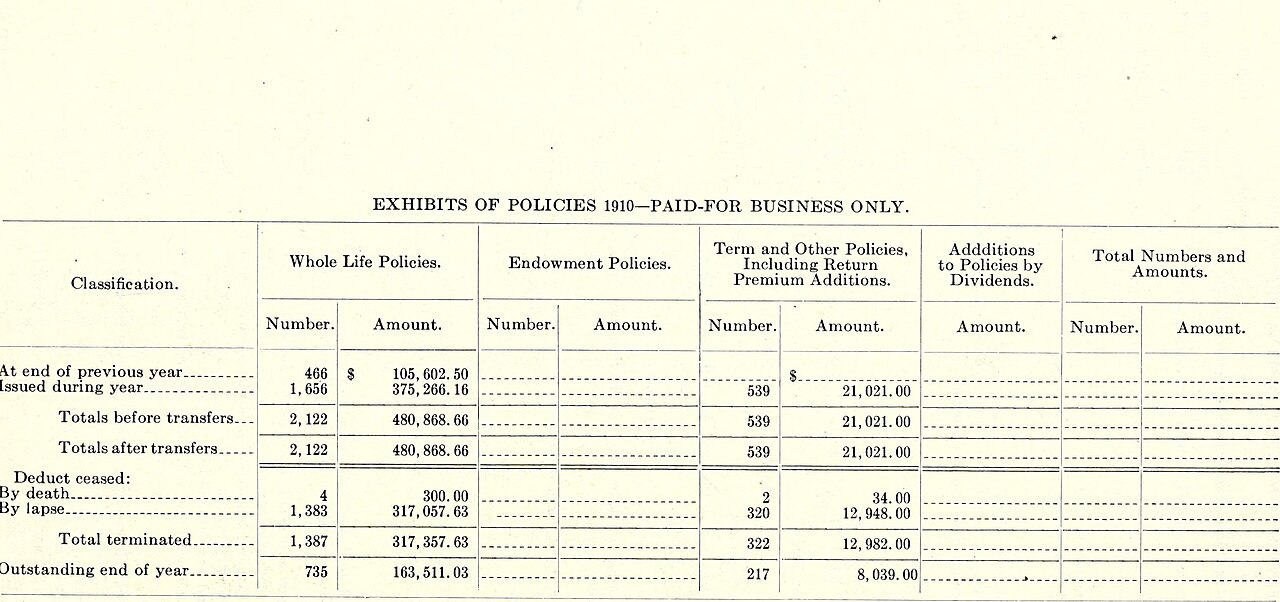
The terms insurance and reinsurance play crucial roles in the financial stability of businesses and individuals, yet many people are not fully aware of the differences between them. Both are foundational elements of risk management but operate at different levels within the risk transfer process. By understanding these concepts, individuals and businesses can make informed decisions about their coverage and protection strategies.
What is Insurance?
Insurance is a financial product that provides protection against potential financial losses. It involves a contract, known as a policy, between an individual or entity (the insured) and an insurance company (the insurer). In exchange for regular premium payments, the insurer agrees to compensate the insured for specific losses outlined in the policy, which can include damages from accidents, natural disasters, theft, and more.
How Insurance Works
Insurance operates on the principle of risk pooling. Many individuals or entities pay premiums into a common pool, which the insurer uses to pay for the losses of the few who experience damaging events. This system allows for the distribution of risk among many, making it financially manageable. There are various types of insurance, including:
- Life Insurance: Provides financial support to beneficiaries after the insured's death.
- Health Insurance: Covers medical expenses for illnesses and injuries.
- Auto Insurance: Protects against financial loss from car accidents.
- Property Insurance: Covers damages to property due to fire, theft, or other risks.
What is Reinsurance?
Reinsurance is a form of insurance purchased by insurance companies to manage risk. Essentially, it is insurance for insurers. When an insurance company faces a significant risk, it can transfer a portion of that risk to another insurance company—known as a reinsurer—through a reinsurance contract. This process helps insurers mitigate the financial impact of large claims and maintain their financial stability.
Functions of Reinsurance
Reinsurance serves several key functions:
- Risk Management: Insurers can protect themselves from catastrophic losses by sharing the risk with reinsurers.
- Capital Management: By transferring risk, insurers can free up capital, allowing them to underwrite more policies.
- Stabilization of Losses: Reinsurance helps insurers smooth out fluctuations in loss experience over time.
Key Differences Between Insurance and Reinsurance
While both insurance and reinsurance share the fundamental principle of risk transfer, they differ in several significant ways:
- Parties Involved: In insurance, the parties are individuals or businesses and the insurance company. In reinsurance, the parties are insurance companies and reinsurers.
- Nature of Coverage: Insurance provides protection to individuals and businesses against personal risks. Reinsurance protects insurance companies from large-scale claims.
- Regulatory Framework: Insurance is highly regulated by government bodies to protect consumers. Reinsurance, while also regulated, operates with more flexibility and less direct consumer oversight.
- Financial Structure: Insurance contracts are typically direct agreements with end-users. Reinsurance contracts involve more complex negotiations and terms between insurers and reinsurers.
Types of Reinsurance
Reinsurance can be categorized into two main types: facultative reinsurance and treaty reinsurance.
Facultative Reinsurance
This type of reinsurance is negotiated on a case-by-case basis. An insurer may seek facultative reinsurance for specific risks that exceed their retention limits. This method provides flexibility, allowing insurers to choose which risks to reinsure.
Treaty Reinsurance
Treaty reinsurance involves a standing agreement between an insurer and a reinsurer. Under this arrangement, the reinsurer agrees to cover a portion of all policies written by the insurer within a certain timeframe or for specific classes of business. This approach streamlines the process for both parties, allowing for automatic coverage of risks without individual negotiations.
The Importance of Insurance and Reinsurance
Both insurance and reinsurance are critical components of the financial system. They provide not only individual protection but also promote overall economic stability. By pooling risks and redistributing them, these mechanisms ensure that financial losses are manageable and do not lead to catastrophic outcomes for businesses or the economy.
Impact on the Economy
The availability of insurance products encourages entrepreneurship and investment, as individuals and companies can pursue opportunities with a safety net. Reinsurance further stabilizes this environment by ensuring that insurers can withstand significant claims without jeopardizing their solvency.
Conclusion
In summary, while insurance and reinsurance are interconnected concepts within the risk management landscape, they serve distinct purposes and operate at different levels. Understanding these differences is essential for anyone involved in finance, business, or personal risk management. By leveraging the principles of both insurance and reinsurance, stakeholders can better navigate the complexities of risk and ensure a more secure financial future.
Frequently Asked Questions
What is the main purpose of insurance?
The primary purpose of insurance is to provide financial protection against specified risks and potential losses, thereby reducing the uncertainty of financial burden.
How does reinsurance benefit insurance companies?
Reinsurance allows insurance companies to share and manage risk, stabilize their finances, and increase their capacity to underwrite more policies.
Can individuals purchase reinsurance directly?
No, reinsurance is typically only available to insurance companies and is not available for individual consumers.
What are the risks involved in insurance and reinsurance?
Both insurance and reinsurance involve inherent risks, including claim variability, large-scale disasters, and regulatory changes that can impact financial outcomes.
How do insurance premiums relate to reinsurance costs?
Insurance premiums may be influenced by reinsurance costs, as insurers need to account for the cost of transferring risk when pricing their policies.
Illustration photo: National Library of Medicine / Wikimedia Commons (No restrictions)