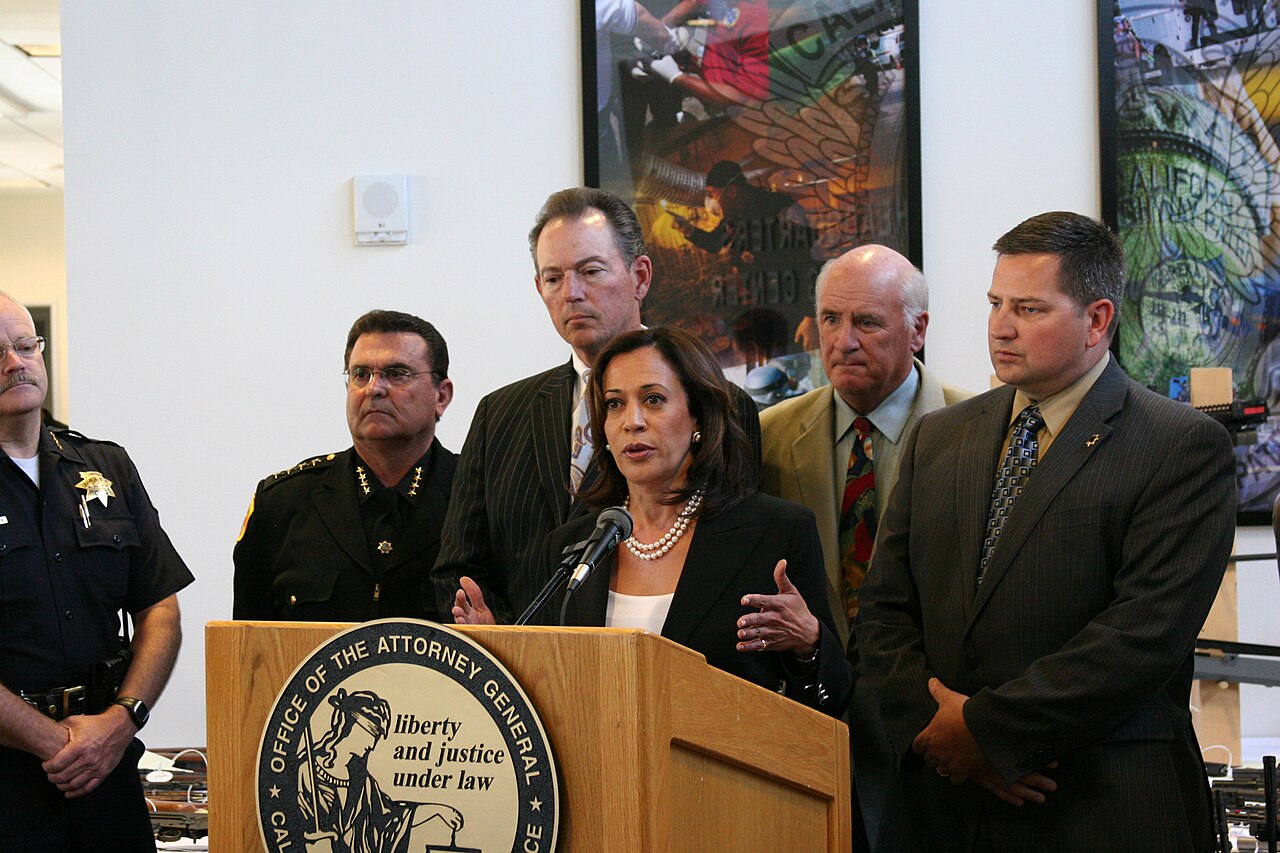
Divorce can be a tumultuous and emotional experience, often necessitating professional assistance to navigate the complex legal landscape. A divorce lawyer specializes in family law and is equipped to help individuals through the process of dissolving their marriage. This guide outlines the importance of hiring a divorce lawyer, factors to consider, and tips for finding the right legal representation.
Understanding the Role of a Divorce Lawyer
A divorce lawyer's primary role is to represent clients in divorce proceedings, ensuring that their rights are protected and that they receive fair treatment throughout the legal process. The lawyer will help in drafting and filing necessary documents, representing clients in court, negotiating settlements, and providing legal advice tailored to individual circumstances.
When to Hire a Divorce Lawyer
While not every divorce requires legal representation, there are certain situations where hiring a divorce lawyer is highly advisable. These include:
- When children are involved: Child custody, support, and visitation rights can complicate divorce proceedings.
- When significant assets are at stake: If you own property, businesses, or have investments, legal expertise is crucial for equitable division.
- When one partner is uncooperative: If your spouse is contentious or uncommunicative, a lawyer can act on your behalf to ensure fair negotiations.
- When legal complexities arise: Cases involving spousal support, domestic violence, or mental health issues benefit from professional legal guidance.
Factors to Consider When Choosing a Divorce Lawyer
Choosing the right divorce lawyer is critical for a successful outcome. Here are some important factors to consider:
Experience and Specialization
Look for a lawyer with substantial experience in family law, particularly in divorce cases. Specialization can indicate a deeper understanding of the nuances involved in divorce proceedings.
Reputation
Research the lawyer's reputation through online reviews, testimonials, and referrals from past clients. A lawyer with a positive track record can instill confidence in their ability to handle your case effectively.
Communication Skills
Effective communication is vital in the attorney-client relationship. Choose a lawyer who is responsive, approachable, and able to explain complex legal jargon in understandable terms.
Fee Structure
Understanding a lawyer's fees upfront can help you avoid unexpected financial burdens. Inquire about their billing methods, whether hourly or flat fees, and any additional costs that may arise during your case.
Personal Compatibility
Divorce is often an emotionally charged process. Selecting a lawyer with whom you feel comfortable and understood can make a significant difference during this challenging time.
The Divorce Process
The divorce process typically involves several key steps, and a lawyer will guide clients through each stage:
Filing for Divorce
The process begins when one spouse files a petition for divorce. The filing spouse must state the grounds for divorce, which may be based on fault or no-fault grounds, depending on the jurisdiction.
Response from the Other Spouse
The non-filing spouse will be served with divorce papers and must respond within a specified timeframe. Failure to respond may result in a default judgment against them.
Discovery Phase
During discovery, both parties exchange financial information and any relevant documentation. This stage aims to ensure transparency and facilitate fair negotiations.
Negotiation and Settlement
Many divorce cases are settled outside of court through negotiation. A divorce lawyer can facilitate discussions regarding property division, child custody, and support obligations.
Trial
If negotiations fail, the case may proceed to trial, where a judge will make binding decisions regarding all contested issues. Having a knowledgeable lawyer at this stage is crucial.
Cost of Hiring a Divorce Lawyer
The cost of hiring a divorce lawyer can vary widely based on factors such as location, the complexity of the case, and the lawyer's experience. Clients should budget accordingly and may consider discussing potential retainer fees and payment plans during the initial consultation.
Tips for Working Effectively with Your Divorce Lawyer
To maximize the effectiveness of your legal representation, consider the following tips:
- Be honest and open: Provide your lawyer with all relevant information, including financial details and personal circumstances.
- Stay organized: Keep track of documents, communication, and important deadlines to streamline the process.
- Attend all meetings and hearings: Your presence is crucial, and missing appointments can negatively impact your case.
- Follow your lawyer's advice: Trust in their expertise and guidance to navigate the complexities of your case.
Alternatives to Traditional Divorce
In some cases, couples may explore alternatives to traditional divorce, such as mediation or collaborative divorce. These methods can often lead to more amicable resolutions and may reduce the financial and emotional burdens associated with litigation.
Mediation
Mediation involves both parties working with a neutral third-party mediator who facilitates discussions and helps reach a mutually satisfactory agreement. This process can be less adversarial and more cost-effective.
Collaborative Divorce
Collaborative divorce is a process where both spouses and their lawyers agree to work together to resolve issues without going to court. This approach encourages cooperation and can foster a more respectful environment for both parties.
Conclusion
Hiring a divorce lawyer is an important step in navigating the complexities of divorce proceedings. By considering various factors such as experience, reputation, and communication skills, individuals can find a lawyer who will advocate for their best interests. Understanding the divorce process and maintaining open communication with your lawyer can ultimately lead to a more favorable outcome. Furthermore, exploring alternatives like mediation and collaborative divorce may provide less contentious paths to resolution.
Illustration photo: Internet Archive Book Images / Wikimedia Commons (No restrictions)