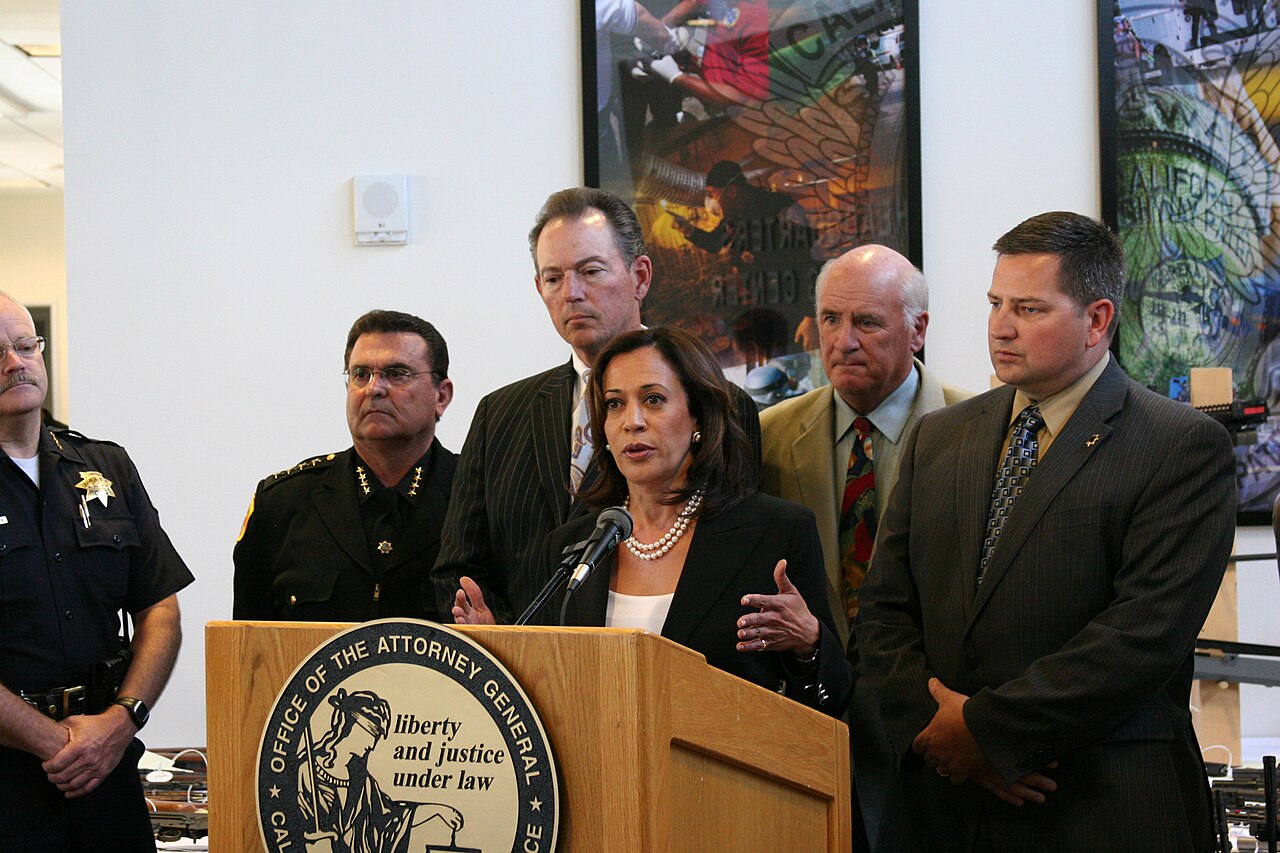
The term 'lawyer' translates to 'abogado' in Spanish, a pivotal figure in the legal landscape of Spanish-speaking countries. Understanding the role of an abogado involves delving into their responsibilities, the legal terminology associated with their profession, and the cultural context within which they operate. This article aims to provide a comprehensive overview of what it means to be a lawyer in a Spanish-speaking environment.
The Role of an Abogado
An abogado serves multiple essential functions within the legal system. Primarily, they represent clients in legal matters, providing counsel and defending their rights in various legal proceedings. This representation can occur in civil, criminal, administrative, and family law contexts. The role of an abogado is not limited to court appearances; they also offer legal advice, draft legal documents, and negotiate settlements on behalf of their clients.
Legal Education and Qualifications
To become an abogado, individuals must complete a law degree, known as 'licenciatura en derecho'. This educational path typically spans five years and covers various areas of law, including constitutional law, civil law, criminal law, and international law. After obtaining their degree, aspiring lawyers are required to pass a state examination, known as 'examen de estado' or 'examen de admisión', which assesses their legal knowledge and competency.
Key Legal Terminology
Understanding legal terminology is crucial for anyone working within the legal system. Here are some essential terms associated with lawyers in Spanish:
- Abogado: The general term for lawyer, who represents clients in legal matters.
- Abogada: The feminine form of abogado, used to refer to female lawyers.
- Derecho: Law; the body of rules established by a governing authority.
- Justicia: Justice; the moral principle determining just conduct.
- Juzgado: Court; the place where legal cases are adjudicated.
- Litigio: Litigation; the process of taking legal action.
Cultural Nuances in Legal Practice
Legal practice in Spanish-speaking countries can vary significantly from one region to another. Cultural attitudes towards the law, the role of lawyers, and the judicial system can influence how legal matters are approached. For example, in some cultures, there is a deep-seated respect for lawyers, viewing them as guardians of justice. In contrast, in other areas, there may be skepticism or mistrust towards those in the legal profession.
Client Relationships
Building a strong client relationship is vital for an abogado. Trust and communication are foundational elements that enable lawyers to represent their clients effectively. Abogados often take the time to explain complex legal concepts in layman's terms, ensuring clients understand their rights and options. This approach not only enhances the client’s confidence in their lawyer but also improves the overall legal experience.
Challenges Faced by Lawyers
Lawyers in Spanish-speaking countries face numerous challenges, including navigating bureaucratic hurdles, coping with high caseloads, and addressing issues related to access to justice. Economic disparities can hinder individuals from obtaining legal representation, prompting many abogados to offer pro bono services to assist those in need. Moreover, political changes can impact the legal landscape, affecting how lawyers operate and the cases they handle.
Trends in Legal Practice
The legal profession is continuously evolving, influenced by advancements in technology and changes in societal attitudes. Many abogados are now utilizing digital tools to better serve their clients. From online consultations to electronic filing of legal documents, technology is transforming the way legal services are delivered. Additionally, there is an increasing recognition of the importance of mental health and well-being within the legal profession, leading to initiatives aimed at supporting lawyers in managing stress and burnout.
The Importance of Continuing Education
Continuing legal education is crucial for abogados to stay updated on changes in law and emerging trends. Many jurisdictions require lawyers to complete a certain number of continuing education credits annually. This commitment to lifelong learning not only helps abogados maintain their licensure but also enhances their skills and knowledge, ultimately benefiting their clients.
Conclusion
The role of an abogado is multifaceted and deeply embedded in the fabric of society in Spanish-speaking countries. By understanding the responsibilities, challenges, and cultural nuances associated with legal practice, individuals can gain a better appreciation of the importance of lawyers in promoting justice and upholding the law. As the legal landscape continues to evolve, the commitment of abogados to their craft remains steadfast, ensuring that they remain advocates for their clients and champions of justice.
Frequently Asked Questions
What is the difference between abogado and abogada?
Abogado refers to a male lawyer, whereas abogada is the female equivalent.
How long does it take to become an abogado?
Typically, it takes about five years to complete the required law degree, followed by passing a state examination.
What are some common areas of law that abogados specialize in?
Common areas of specialization include criminal law, civil law, family law, and administrative law.
Are there pro bono legal services available in Spanish-speaking countries?
Yes, many abogados offer pro bono services to assist individuals who cannot afford legal representation.
How is technology impacting the legal profession?
Technology is transforming legal practice through online consultations, electronic filing, and digital tools that enhance service delivery.
Illustration photo: Massachusetts State Police Crime Scene Services Section (CSS / Wikimedia Commons (Public domain)